

HEALING
RELATIONSHIPS
LIFE TRANSITIONS
RELIGIOUS TRAUMA
Browse by category
a licensed therapist dedicated to helping individuals and families heal from religious trauma, navigate faith transitions, and embrace meaningful life changes. My approach is grounded in compassion, evidence-based practices like DBT and EMDR, and a deep understanding of the unique challenges my clients face. I believe in creating a space where you feel seen, supported, and empowered to reconnect with your inner compass.
Hi, I'm Mellissa!


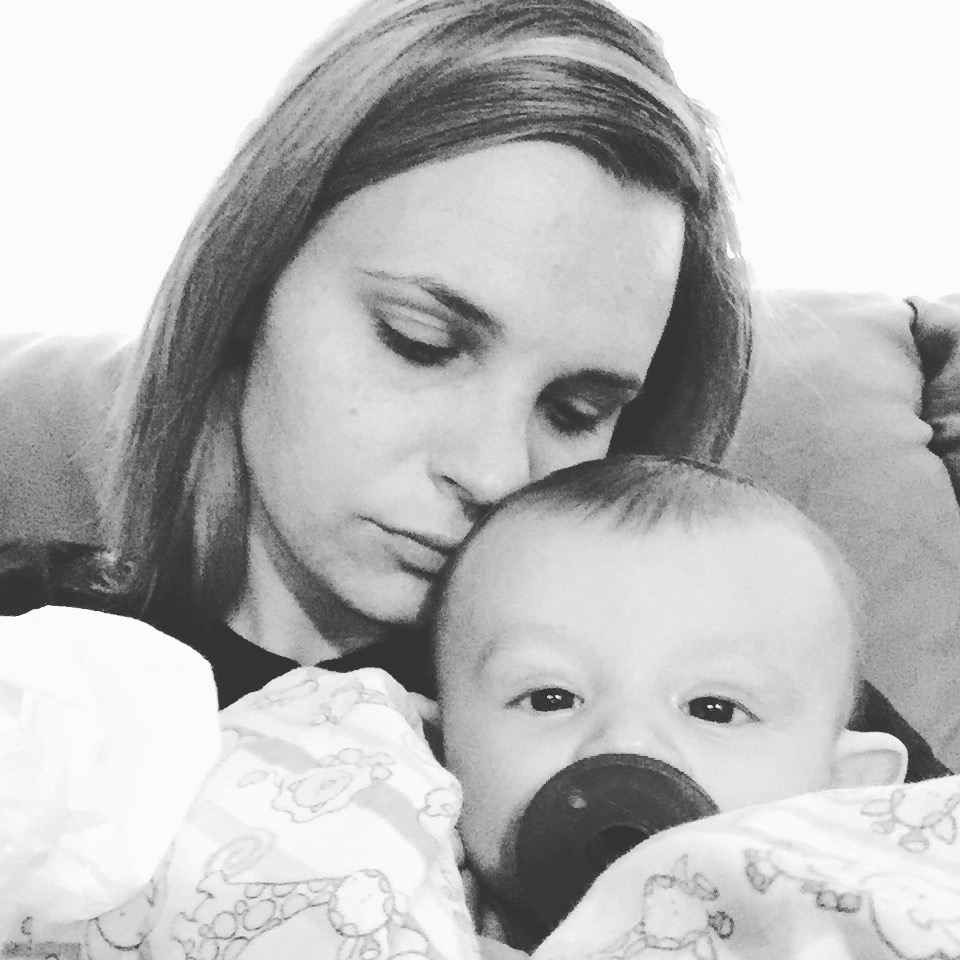
I Wasn’t Okay After My Babies Were Born. I Don’t Think I Was Supposed to Be Either.
August 10, 2026
Continue reading to find perinatal mental health care in Gilbert, Arizona.
I Wasn’t Okay After My Babies Were Born. I Don’t Think I Was Supposed to Be Either.
And sometimes I look back at the woman I was when they were little, with everything I know now after getting a master’s degree and spending years working in mental health, and I think: oh. I was not okay.
No One Asked If the Mother Was Okay
I grew up LDS, in a culture where having female reproductive anatomy came with this almost unspoken assumption. Eventually you would have babies. And somehow you would just know how to do this.
You’d be nurturing. Maternal. Capable.
You get married young. You start having babies. Everybody celebrates how adorable they are, asks what number this one is, tells you how beautiful your family looks.
But who is asking if the mother is actually okay?
Having the anatomy capable of growing a baby does not magically give you the psychological, relational, financial, or emotional resources required to raise one. We need to be able to say that without shame. (If any of this touches on the religious expectations you grew up with, I’ve also written about recognizing high-control dynamics in a religious upbringing — it’s a related thread worth pulling on.)
What I Actually Experienced
I know what it’s like to feel like you’re actually losing it.
I experienced pregnancy loss and incredible isolation. I got locked into dark, obsessive themes. At one point, I was visually hallucinating. I was navigating a complicated marriage while caring for a baby who needed to eat from my body every couple of hours, without the financial resources to adequately care for myself while caring for everyone else.
There is so much more I could say. I am not unique.
Why the Lindsay Clancy Case Has Hit Me So Hard
That’s part of why the Lindsay Clancy case has stayed with me.
Clancy is on trial in Massachusetts, accused of killing her three young children in January 2023. She has pleaded not guilty. As her trial has unfolded this year, a defense psychiatrist testified she believes, with full certainty, that Clancy was experiencing postpartum psychosis. Prosecutors don’t dispute that she was mentally ill, but argue she’s still criminally responsible for what happened.
No verdict has been reached yet.
This is a mother who repeatedly sought mental health care before the deaths of her children. Hospitalizations. Medication changes. Multiple providers. A woman whose mental health was deteriorating while she was actively trying to get help.
Whatever the jury ultimately decides about her legal responsibility, this case should be a call to action for the rest of us.
What Collaborative Care Actually Looks Like
One thing I keep coming back to is collaborative care.
If someone is in a serious perinatal mental health crisis, I want their therapist talking to their psychiatrist. I want releases signed. I want the people treating someone’s mental health to actually know what the other providers are seeing.
That kind of coordination takes time. Our healthcare system doesn’t always make it easy. It’s something I care deeply about building into how we practice. At Inner Compass, we care about perinatal mental health.
But clinical care is only part of this.
Community Isn’t Optional
Human beings were not designed to have babies alone. Frankly, I don’t think we were designed to do it as one exhausted mother and one exhausted partner either. We need community.
Social media can give us connection. But screaming into the Facebook void that you’re drowning is not the same thing as somebody showing up at your house.
So show up:
- Ask the uncomfortable question: “How are you really doing?”
- Fold the laundry.
- Bring dinner.
- Invite her out.
- Hold the baby while she sleeps.
- Notice when she doesn’t seem like herself, and take it seriously if something feels wrong.
We cannot fix the American maternal mental health system by doing our friend’s laundry while she naps. But we can do something. I’m including myself in that.
This Is Why We’re Growing Our Practice
Maternal mental health isn’t just about whether a mother survives postpartum. Research continues to show that a mother’s mental health during pregnancy and postpartum is connected to her children’s later emotional and developmental wellbeing. Taking care of perinatal women, during pregnancy and through those early postpartum years, is an anchor of a healthy society.
That’s part of why I’m glad to share that Jessica Dawson, LPC is joining Inner Compass Counseling, with a focus on both religious trauma and growing interest and specialization in perinatal and maternal mental health. She’ll begin taking new clients in September. If you’re pregnant, postpartum, or supporting someone who is, this is exactly the kind of collaborative care I’ve been describing.
At Inner Compass, we care about perinatal mental health
I want new mothers seen as whole human beings, not just the person holding the cute new baby.
If you’re not okay, I want you to know that saying it out loud does not make you a bad mother. It makes you a human being who deserves care.
If you’re in Gilbert, Mesa, Chandler, or anywhere in the greater Phoenix area and you’re pregnant, postpartum, or just not okay right now, reach out or learn more about our services at Inner Compass. And if you or someone you know is in crisis, the National Maternal Mental Health Hotline (1-833-9-HELP4MOMS) is free, confidential, and available 24/7.
Leave a Reply Cancel reply
designed by SEPTEMBER STUDIO
TERMS & CONDITIONS
PRIVACY POLICY
Copyright 2020 INNER COMPASS COUNSELING & CONSULTATION
@mellissaperrytherapy
633 E Ray Road
Gilbert, AZ 85296-4200
Location
602-633-4496
Phone
Helping you navigate your True North through Mormon faith transitions religious trauma, and general trauma.
Helping you navigate your True North through Mormon faith transitions religious trauma, and general trauma.
Inner Compass is a licensed mental health haven in Gilbert, Arizona for individuals, couples, families, and teens who are navigating life’s transitions and trauma. Offering religious trauma therapy, trauma therapy, and EMDR therapy.
Inner Compass is a licensed mental health haven in Gilbert, Arizona for individuals, couples, families, and teens who are navigating life’s transitions and trauma.

Be the first to comment